*This is a modified version of an essay I wrote on the early months of COVID-19 pandemic, for a project that ultimately fell through. I stumbled upon this writing the other day and decided to edit the Pandemic-relatee topic and post it here.
.
“Never you mind, honey. Never you mind.”
.
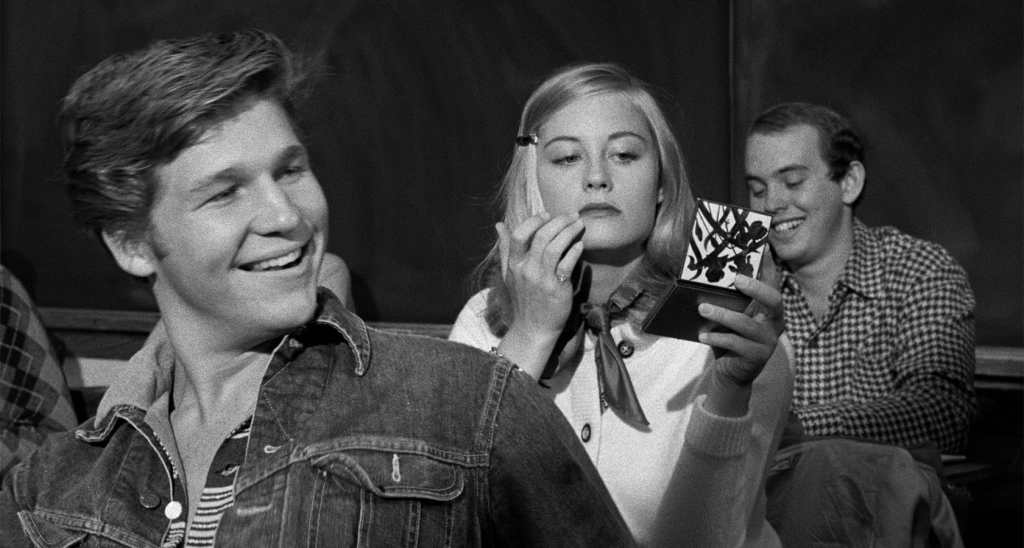
It is a lousy afternoon in a small, deteriorating fictitious town of Anarene, Texas. The only theatre is closing down soon, trampled by summer outdoor games, television shows and fancy trips to big cities. Howard Hawks‘ Red River is showing, while once two high-school buddies, all grown ups, are watching as they revisit the times they have together. It’s the last showing in a place they have known all their lives, and most probably their last goodbye.
Peter Bogdanovich‘s classic coming-of-age, The Last Picture Show is a personification of the loss of innocence. A remarkable film about the pains and pleasures of growing up, and how it continues to radiate its effects through nostalgia, finding new ways to creep under the auspices of regrets and self-reflections. It’s quite a depressing film to watch, but I could not stop thinking about it since.
Adapted from a novel of the same title by Larry McMurtry, some have read The Last Picture Show as a depiction of the cynical look of youthful idealism, or even as a gradual decaying morality of modern America. But how Bogdanovich portrays the weariness of the world with such frankness on screen is what lingers on my mind the most. At the heart of the film is a sense of uncertainties, steadily piled with kindling with every decision these characters are forced to make, until they had no choice but to cope with whatever the results of their consequences were.
Sonny (Timothy Bottoms), who has just broken up with his girlfriend, looks for affection on his coach’s older, unhappy wife, Ruth (Cloris Leachman), while secretly having a crush on his best friend Duane (Jeff Bridges)’s girlfriend, Jacy (Cybill Shepherd). Meanwhile Jacy longs for a better, more riveting kind of life and tries to dump Duane and joins the elite of seemingly wealthy kids and their naked pool parties. Towards the end of the film, Duane joins the army to fight in Korea. All while the crippling cultural and economy of this town serves as a backdrop as these characters navigate their lives.
These characters are lost, and more than anything, clueless. They eager to grow into adulthood without even knowing whether they’re ready for it or not. With parental figures are all but almost absent, in the exception of Sam the Lion (Ben Johnson) the town’s groundskeeper, and Jacy’s mother, Lois (Ellen Burstyn) who had more interest in her side lover than her own husband. Lost ambition has also been a character for most inhabitants of this decaying town; what should have been a portrayal of teenage angst, brilliantly depicted as some sort of a midlife crisis by Bogdanovich.
Time progresses in a blink of an eye here, sometimes it creates the impression that more time has passed than what we are presented on screen. Taking place over months and years rather than hours also adds the weight of importance to the film’s theme; because how do we hang on to what we have left when time moves so quickly?
In The Last Picture Show, a multitude of symbols which alludes to heartbreak for a time and place forever gone creeps us in every corner. There are numerous scenes where characters are reminiscing the shoulda-coulda-wouldas. Some share their lost opportunities, some recollect their lost hopes and dreams, and a few looks back on their lost loves. Bogdanovich uses monologues with cameras slowly zooming in on these characters to emphasize their genuine emotions. No matter how hollow or shallow we think some of these characters are, we can easily empathize with their agonies. I think it’s also a testament on how outstanding the performers in this film are. Johnson and Leachman even won Academy Awards for Best Supporting Actor and Supporting Actress for their respective roles in this film.
The closing of a theater represents the social and psychological changes that define the era this film sets in. This particular motif epitomizes one of the film’s themes; there are some things we have lost we might never get back, lost time we cannot return to, and lost souls we can no longer hold dearly. This film even ends in a tragedy after the death of one of its characters. A particular event that symbolizes the inevitable sadness and pain of not being in control and not knowing what future might hold.
Although its pessimistic view of the world might be too bleak for some, The Last Picture Show at least offers a tiny bit of closure with a melancholy tone of comfort towards the end of its running time. It’s important for us to focus on what matters. Count our blessings, not dwell on our losses. After all the things that have happened, all we can do is to reflect, and to make the most of what we have.
One of the things I take from this film, from the scenes where the characters recall their past, they tell it with such wisdom in their eyes and tiny smiles forming while they share their stories. It’s bittersweet, but it makes me stop and think. If there’s mistake, there’s also forgiveness, if there’s regret, there’s also closure, and if there’s sorrow, there’s also hope. And hope suggests there is a bright, happy future we can one day look forward to. Hopefully.

 Cinema Prescription
Leave a comment